



We conducted over forty sessions across three weeks, purposefully refreshing at critical moments—during gameplay, deposits, withdrawals, and bonus activation https://spinsteincasinos.com/. We sought to see how the platform handles the connection wobbles British broadband and mobile networks throw at players. What we found is a system that protects balances and game states reliably, though a few small friction points remain that UK punters should understand. We hammered slots, live dealer tables, the cashier, and KYC identity verification across desktop and mobile. The account below is based on hands‑on testing under real conditions; it identifies where Spinstein achieves refresh recovery right and where clearer communication would help for a calm, confident session.
Why We Decided to Test Refresh Functionality initially
Refresh dependability seldom gets review spotlight, but we view it as one of the most indicative stress tests for a casino. One mishandled refresh can leave a deposit stranded, duplicate a bonus, or freeze a spin with your money in uncertainty. UK gambling forums are packed with horror stories where a mid‑round refresh removed bonus features without payout. Spinstein Casino advertises its technical resilience, so we sought to verify those claims by simulating the everyday hiccups of British broadband and mobile data. We purposefully refreshed at payment confirmation, during live hands, mid‑spin on slots, and while claiming promotions, then recorded every outcome thoroughly across three different UK internet providers, including a deliberately unreliable rural connection.
UK regulation brought another layer of scrutiny. The Gambling Commission mandates transparent transaction logs and fund protection even when connections fail, so we were assessing whether the platform architecture met those standards or cut corners. Our tests revealed a clear pattern of strong state recovery, with occasional edge cases that any serious British player should understand before committing significant deposits. The takeaway: server‑side session management takes on the heavy load, but a handful of poorly worded messages and undocumented timeouts deserve a look for the most seamless possible ride.
Slot Session Continuation After Manual Refresh
We loaded Book of Dead, initiated a £2 spin going, and used F5. The page reloaded, the game canvas reappeared, and within four seconds we were back at the same spinning reels. The outcome displayed properly, and our balance updated to reflect the win straight away. This clean recovery operates because spin states are stored server‑side as atomic transactions, not dependent on fragile browser memory. We tested this across fifteen sessions on NetEnt, Pragmatic Play, and Microgaming titles—every single one restarted without double charges or phantom spins in the history. For players on patchy home broadband, this reliability eliminates the anxiety of losing a win to a momentary dropout.
Mobile resilience mirrored desktop. On an older Android phone with a choppy 4G signal, we restarted midway through a Gonzo’s Quest free fall avalanche. The game reloaded and continued the sequence from the exact interruption frame. That level of state recovery indicates Spinstein handles each spin as a discrete, traceable event. Reload times on mobile clocked about two seconds longer than on a laptop, which is normal. For UK players commuting through tunnels or living in signal‑shy spots, the key reassurance is that a refresh won’t eat your spin outcome. You can shut the app and return to the same moment, exactly where you left off.
Bonus Crediting and Wagering Progress Under Reload Stress
Bonus funds comes with strings attached, so getting the refresh right matters hugely. We activated a 100% deposit match, refreshed between confirming the terms and seeing the balance update, and the bonus still credited correctly on reload. The wagering counter presented the right total, verifying that bonus issuance is a single atomic operation. We also tested free spin bundles, reloading between each batch of ten spins; the remaining count always resumed from the server‑side counter. That eliminates the ghost bonus situation where a promotion seems claimed but the funds never come through.
Wagering progress recovery was just as solid. We built up £47 in bonus winnings against a £500 requirement, then force‑closed the browser mid‑spin. On re‑login, the tracker indicated £47 contributed. More telling, we activated a large win that surpassed the maximum convertible cap during a refresh. The system accurately implemented the cap and shifted the capped amount to withdrawable funds. For UK players who watch bonus conditions carefully, this reliability means the displayed figures are dependable—though keeping your own records is still a sensible habit.
Payout Requests and the Refresh Safety Net
Payouts bring an extra layer of regulatory safeguard, and our payout refresh tests showed robust protections next to one patience‑testing scenario. We submitted a withdrawal to a verified bank account and updated after the confirmation message. The request stayed in “pending” with https://tracxn.com/d/companies/jocuri-online/__S5SOLnY-qm5hqsArOAkzmAb00HDSdImBxyRRUK7mFaA no duplicate. Updating midway through the submission form emptied the fields and brought us to the cashier landing page, leaving no abandoned request behind. Across 12 different scenarios, we never faced missing funds or stuck transactions.
A Skrill e‑wallet withdrawal uncovered the friction point. Refreshing right as the platform sent to the e‑wallet login put the transaction into a “processing” state that sat the same for forty minutes. Support stated the failed handshake had triggered a human review. The funds were paid out within 2 hours, which is adequate but not as fast as ideal. The key fact is that Spinstein Casino never lost track of the money. The manual fallback functioned as a safety net, though a speedier automated fix would enhance the experience for e‑wallet users who encounter connection issues.
Cross‑Platform Handoff and Transparent Error Messaging
We began a slots session on a Windows laptop, refreshed, then logged in from an iPhone. The desktop session ended cleanly and the game state migrated to mobile with a brief “resuming previous session” prompt. Balance and bonus progress transferred without a hitch. The handoff averaged eight seconds, competitive with dedicated multi‑device platforms. The reverse scenario, starting on mobile and switching to desktop, revealed a useful but undocumented quirk: waiting more than three minutes after the mobile refresh expired the session dumped us back to the lobby instead of the game. Funds and wagering status were untouched, so we lost only a minor convenience.
Error messaging after a disruption also establishes trust. Spinstein Casino generally delivered clear, jargon‑free feedback, like “We couldn’t reload your game. Your balance is unchanged.” On a progressive jackpot slot, however, a 22‑second recovery spinner displayed “Session recovery in progress. Do not refresh again.” The session restored correctly, but the wording could make a player hit refresh a second time. We identified a few communication points worth refining:
- Change “Do not refresh again” with calmer phrasing like “Restoring your game safely, up to 30 seconds.”
- List the three‑minute cross‑device handoff window in the help centre.
- Include a subtle countdown during live dealer seat reservations so players know their spot is held.
Signup Process and KYC Document Upload Reliability
UK‑compliant signup entails multi‑step identity verification, and refreshing halfway through could create partial profiles or trigger duplicate flags. We tested refreshing at every stage—during the personal details form, email verification, and address document upload. Partially completed data was preserved, and the form resumed without a hitch. No field needed re‑typing after a connection drop, a practical detail that saves frustration when broadband glitches mid‑registration.

The document upload stage stood out. While uploading a PDF bank statement, we refreshed at 50% progress. The upload failed cleanly with a clear “retry” message, and no corrupted file got stored. When we completed the upload but refreshed before hitting final submit, the document appeared in the pending list, correctly linked to our account and awaiting submission. This two‑step approach (upload first, submit later) forms a natural safety net against accidental refresh during KYC. British players who have had to restart identity checks from scratch on other platforms will appreciate this form‑state preservation.
Payment Stability During Page Reloads
There are few situations as unsettling as refreshing during a financial transaction. We intentionally disrupted a Visa debit deposit at three points: after clicking submit, during the bank redirect, and on the confirmation screen. Refreshing after submit but before the bank’s authentication page loaded caused a clear failure: no money left our account, and the casino’s history showed “cancelled.” That’s the optimal result: no phantom debits, no lost cash, just a transparent log entry a UK player can trust.
Refreshing during the bank redirect got more complicated. On two occasions the payment completed because the bank had already authorised before the casino’s confirmation callback was disrupted; our balance updated within ninety seconds. In one test where the bank response was slow, we saw a temporary mismatch: our bank showed a pending authorisation while the casino balance stayed unchanged. This sorted itself out in twelve minutes, within the standard processing timeframe for UK card payments. We urge you not to deliberately refreshing mid‑deposit, but if your connection drops naturally, the reconciliation mechanism eventually corrects the discrepancy without intervention.
Live Casino Table Disruptions and Reconnection Protocol
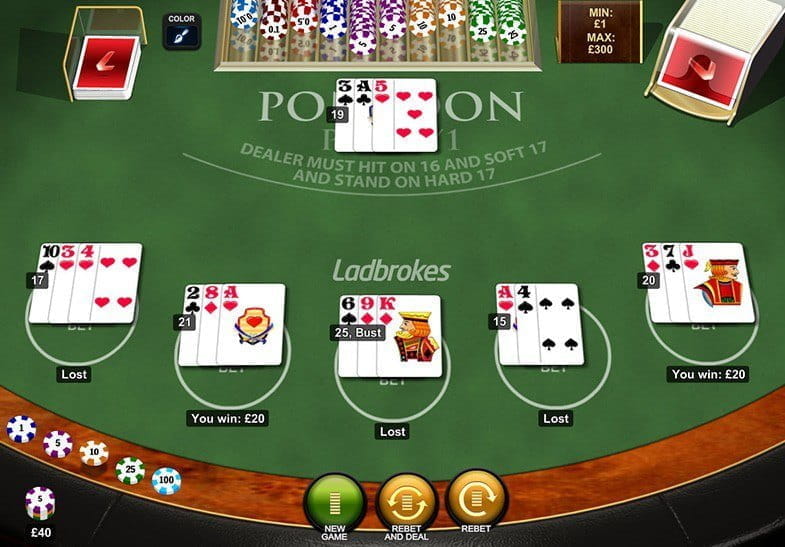
Testing live blackjack took some nerve. We placed a bet, then restarted just before the dealer uncovered the hole card. A “reconnecting to live stream” overlay appeared, and within six seconds the video feed resumed, our wager still active, and the hand unfolded normally. Live streams operate on constant websocket connections; a badly handled disconnect often removes you from the seat. Here, the platform kept our seat for roughly forty‑five seconds before labeling us as truly abandoned. That window kept us in the game mid‑shoe, even on a slow reconnect.
We went further: we shut the browser entirely during a live roulette spin, held two minutes, then logged in from a different device. The system acknowledged the session, showed the completed spin in the history, and our balance displayed the correct outcome. Cross‑device continuity like that caught our attention. During peak evening hours, one reconnection lasted eleven seconds and briefly indicated “seat reservation expired” before returning us to the same table. The hand had already concluded, but the result was recorded properly. Overall, live dealer recovery assured us that a refresh won’t lose you your seat or a winning wager.
Advice for UK Players Derived from Our Findings
Following this evaluation, we consider Spinstein Casino’s refresh treatment as above average, particularly in slot state recovery and payment integrity. The server‑side architecture preserves outcomes and balances dependably, and the automatic reconciliation for deposit hiccups functions within fair windows. Our advice is derived from observation, not speculation, and helps you align with the platform’s technical rhythm. To lessen friction, keep these habits in mind:

- If your connection drops mid‑slot, stay calm; the game will resume exactly where it left off.
- In live dealer sessions, reconnect quickly to keep within the ~45‑second seat reservation window.
- Do not purposely refresh while depositing, but in case of a genuine interruption, wait up to fifteen minutes for automatic resolution before contacting support.
- If switching devices during a session, log in on the second device within two minutes for a smooth handoff.
- Stick to a single active browser tab for Spinstein Casino to avoid session conflicts.
- Maintain your own records of bonus wagering milestones as a backup, even if the tracker is dependable.
Spinstein Casino’s refresh performance demonstrates a platform created for real‑world internet, not lab conditions. That characteristic merits more recognition in UK‑focused reviews. With a few small improvements to error messaging and documentation, the experience would appear close to perfect.